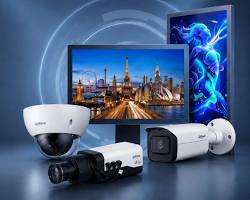
Static paper banners and posters no longer capture consumer attention effectively. Digital signage in retail transforms physical store spaces into dynamic, interactive environments. By combining high-definition commercial displays with real-time content delivery, retailers can engage shoppers easily. Furthermore, these screens personalize the retail experience and directly influence purchasing decisions at the point of sale.
Instead of relying on printed advertisements, modern retailers use cloud-managed displays to run targeted campaigns. As a result, brick-and-mortar stores drive higher foot traffic, increase sales conversions, and build stronger brand loyalty.
1. Capturing Attention with Dynamic Visual Content
Motion and high-resolution visuals naturally attract the human eye better than static media. Specifically, digital signage leverages high-brightness panels and 4K video resolution to break through visual noise in busy shopping spaces.
- Higher Message Recall: Studies show that dynamic video receives significantly more views than traditional print media. Additionally, it achieves much higher message retention.
- Vibrant Visual Presentation: Commercial-grade displays maintain high brightness levels and anti-glare properties. Therefore, promotional videos remain vivid under bright retail lighting or near storefront windows.
2. Delivering Real-Time & Contextual Marketing
Digital signage enables store managers to change displayed media instantly. For instance, content can adapt based on customer demographics, peak shopping hours, current inventory levels, or weather conditions.
- Automated Dayparting: Restaurants and retail cafes can automatically switch menu boards from breakfast offers to lunch specials. Consequently, staff do not need to perform manual updates.
- Flash Sales & Immediate Promotions: Retailers can push real-time discounts across single or multiple store locations. As a result, they can clear excess inventory immediately.
3. Creating Interactive & Self-Service Experiences
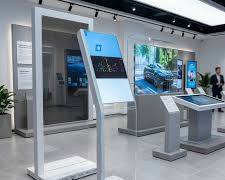
Interactive touchscreens and digital kiosks shift shoppers from passive viewers into active participants. Thus, they create a truly immersive shopping journey.
- Self-Service Kiosks & Wayfinding: Interactive kiosks help customers navigate store aisles easily. Moreover, shoppers can locate specific brands and search for product availability in real time.
- Virtual Product Browsing: An item or specific size might be out of stock on the sales floor. In this case, customers can use interactive digital screens to order online for home delivery or store pickup.
4. Bridging In-Store and Online Channels (Omnichannel Retail)
Digital displays allow physical stores to integrate online digital elements that modern shoppers expect. For example, screens can feature interactive social content directly on the shop floor.
- Social Proof & Reviews: Displaying live social media feeds, customer reviews, and unboxing videos builds instant trust. In addition, it provides social validation for products on display.
- QR Code Integration: Shoppers can scan on-screen QR codes with their smartphones quickly. Consequently, they can access exclusive digital coupons, join loyalty programs, or view detailed product specifications.
5. Reducing Perceived Wait Times at Checkout
Long checkout lines cause customer frustration and lead to abandoned purchases. However, strategically placed digital screens near queuing areas effectively solve this issue.
- Entertaining Queue Management: Playing engaging video content, brand stories, or lifestyle news keeps customers distracted while waiting in line. Therefore, wait times feel significantly shorter.
- Driving Impulse Purchases: Displaying low-cost add-on products near checkout counters encourages last-minute impulse purchases right before payment.
Digital Signage vs. Traditional Print Displays
| Feature | Traditional Print Displays | Digital Signage Systems |
| Content Update Speed | Days or weeks (reprinting required) | Instantaneous (via cloud CMS) |
| Visual Impact | Static text and images | High-definition motion video and animation |
| Interactivity | None | Touchscreens, QR code scans, motion sensors |
| Long-Term Cost | Recurring print and labor costs | One-time hardware investment with zero print waste |
Conclusion
Implementing digital signage in retail environments elevates traditional shopping spaces into interactive customer hubs. Ultimately, with high-definition video, real-time content updates, and interactive self-service features, retailers can maximize customer engagement and boost sales performance effortlessly.
Need Help Implementing Digital Signage for Your Retail Store?
Upgrade your retail store experience with official commercial displays and cloud content management solutions.
Contact Our Specialist:
Phone / WhatsApp: +966556088894